Code Jumper
Microsoft | 7TH Design

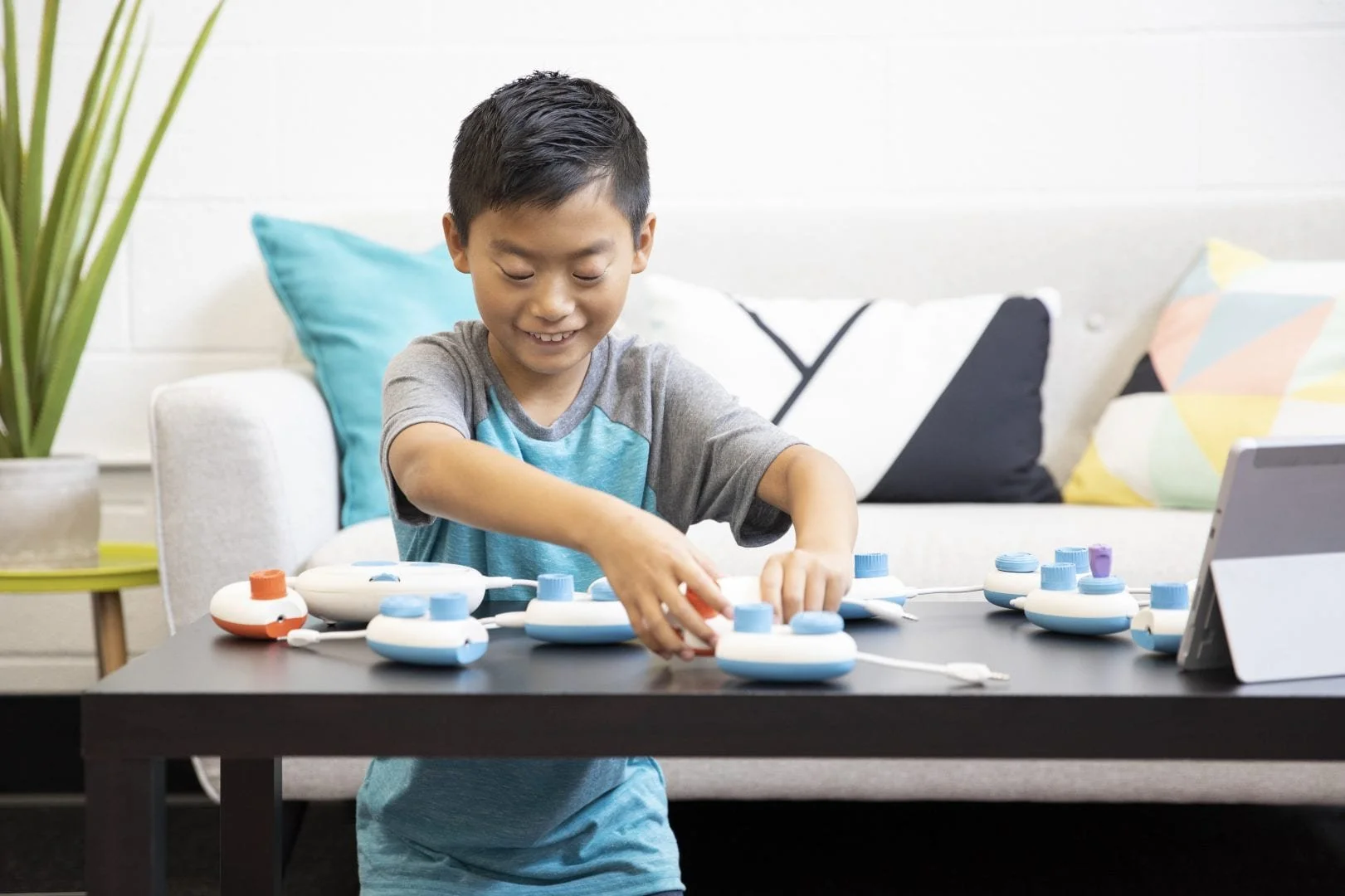
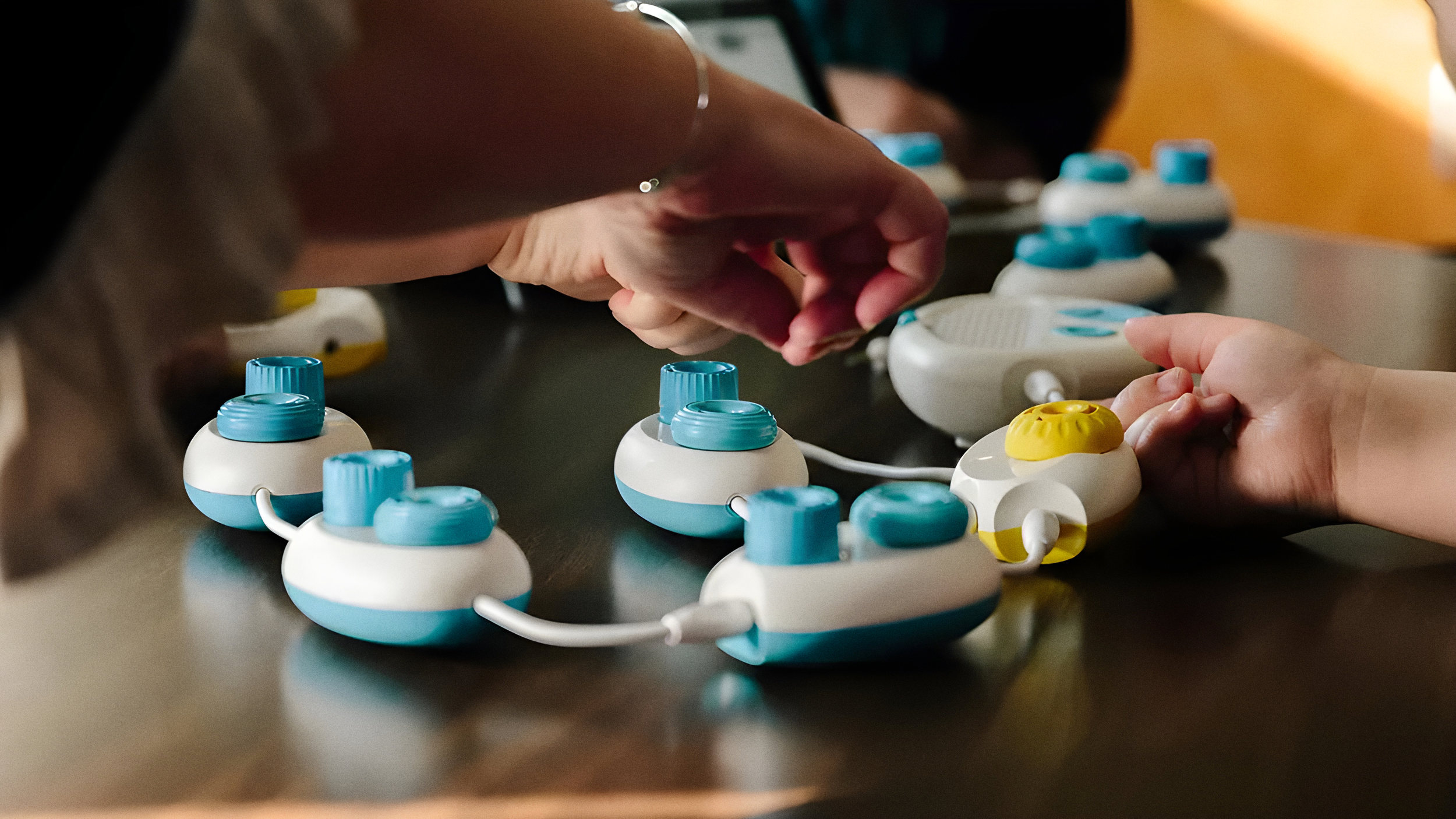
Code Jumper is a groundbreaking tool empowering blind and visually impaired students to explore computer programming early. Using brightly coloured pods with tactile buttons and "jumper cables," it transforms coding into an interactive experience—creating stories, music, and even jokes.
CES Award Winner!
Code Jumper has been awarded the prestigious Best of Innovation award at CES!
Microsoft - Product Designer For 7TH Design
The Brief
Redesign the early prototype to be inclusive, fun, and intuitive for blind and visually impaired children, teachers, and assistants, ensuring each pod is distinct and its functionality easily identifiable.

Starting Point
Microsoft Research developed the software, PCBs, and an early physical prototype. 7TH Design were granted access to the prototype and provided with feedback from initial user testing.
Deliverable
A fully functional, plastic injection moulded final prototype, optimised for plastic injection moulded mass production.
From Concept Sketches to Injection Moulded Production
Throughout the project, 7TH Design worked closely with Microsoft’s research team to develop a manufacturable product suitable for schools and teaching environments.
The designs needed to provide an intuitive and practical physical representation of the programming language they control, such as play, pause, loop, and reverse. This was accomplished through a process of continuous iteration, evolving from initial sketches and schematics to final production-ready CAD data and test prototypes.

Design for Manufacture
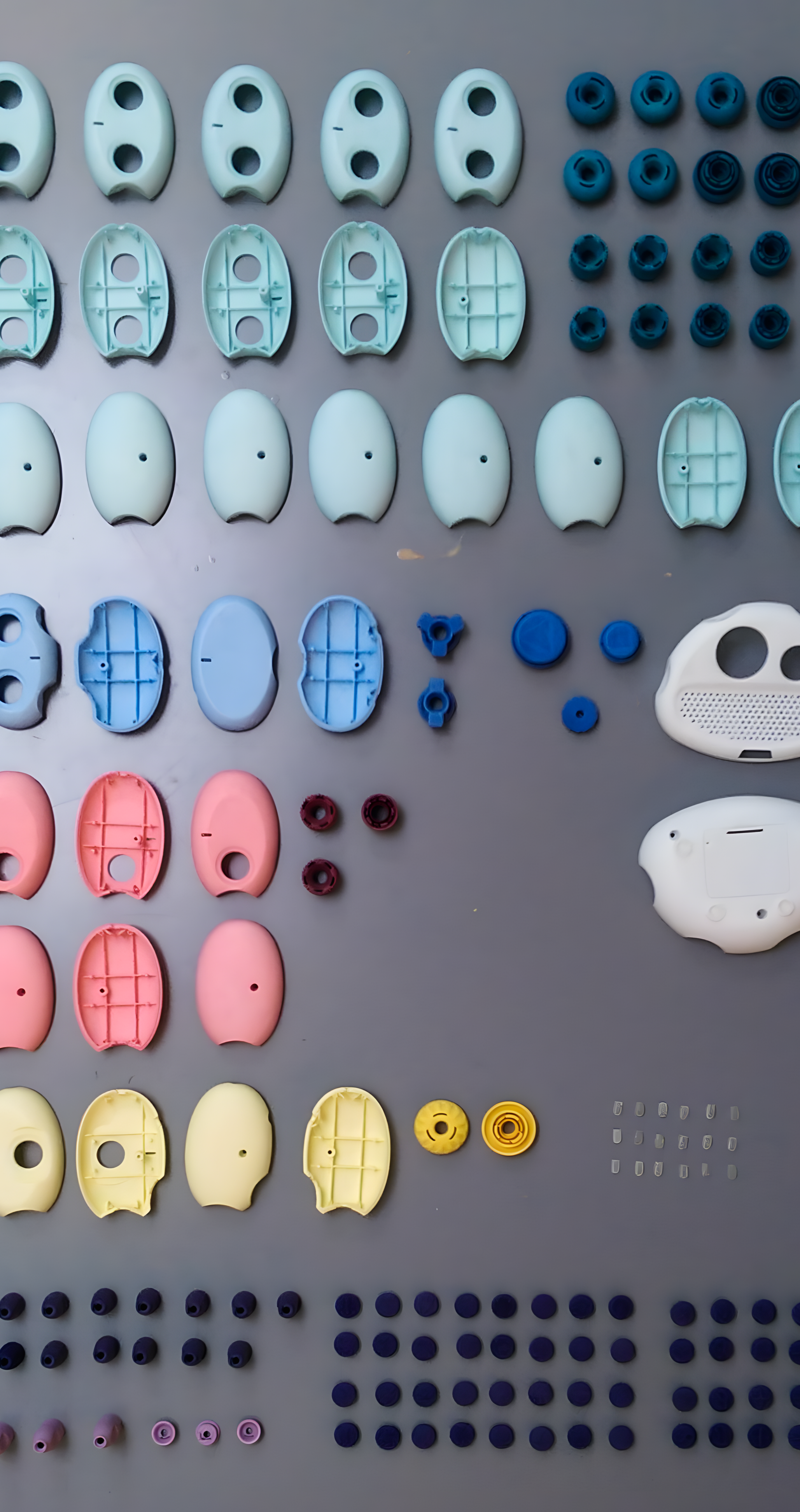
Soft tooling was used for low volume injection moulding in the UK for user trials, before the product was later scaled for mass manufacture overseas.
With the intention of design for manufacture from the earliest stages, only minimal further development was required, resulting in cost reduction and improved efficiency.


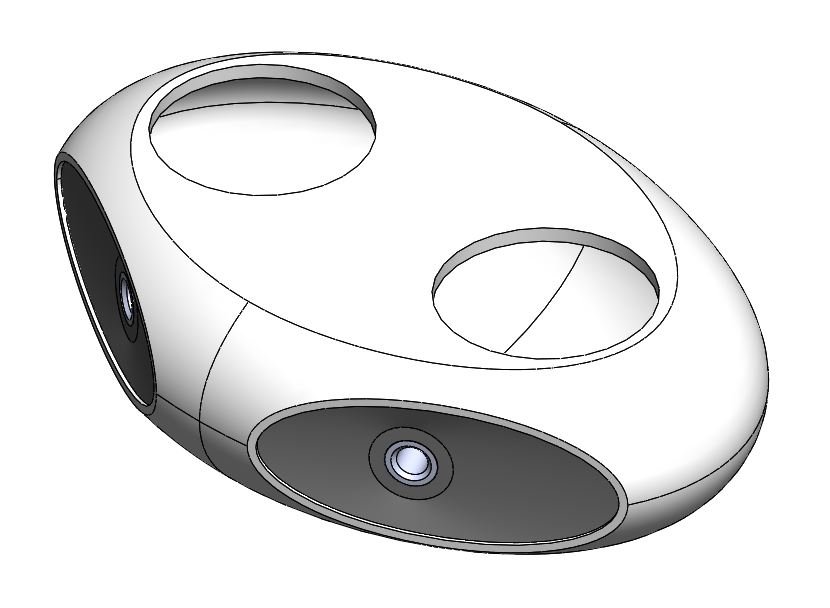
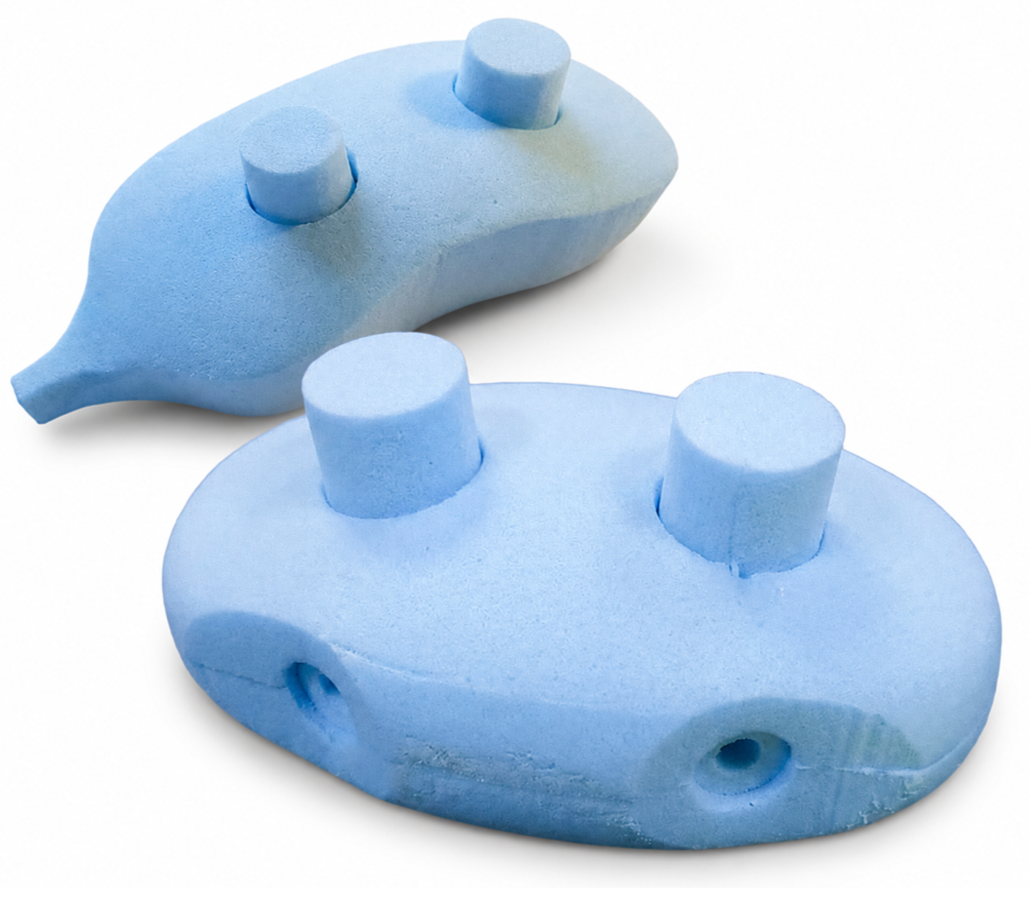
Early Ideation & Concept Development
During early ideation, empathetic design methods were used to better understand the challenges faced by blind and partially sighted users. Using blindfolds and obscured vision, early blue foam and 3D printed models were navigated and assessed to inform design development.
3D Printed Prototypes
Working 3D printed prototypes were tested with children and teachers throughout development. The findings from user testing, together with feedback from the Microsoft team after reviewing the prototypes, informed each iteration and helped refine the design in response to real user needs.




Code Jumper Online And In The Press
MICROSOFT, With Code Jumper, experts look to jumpstart computer science interest for kids who are blind
BBC, Microsoft's pods teach blind children how to code
THE VERGE, Microsoft is helping visually impaired children learn to code with physical blocks
TECH CRUNCH, Microsoft’s Code Jumper makes programming physical for children with visual impairments
FAST COMPANY, These tactile blocks teach blind kids to code
SLASHGEAR, Microsoft Code Jumper is a physical programming tool for blind kids
ENGADGET, Microsoft expands its programming language for visually impaired kids
